
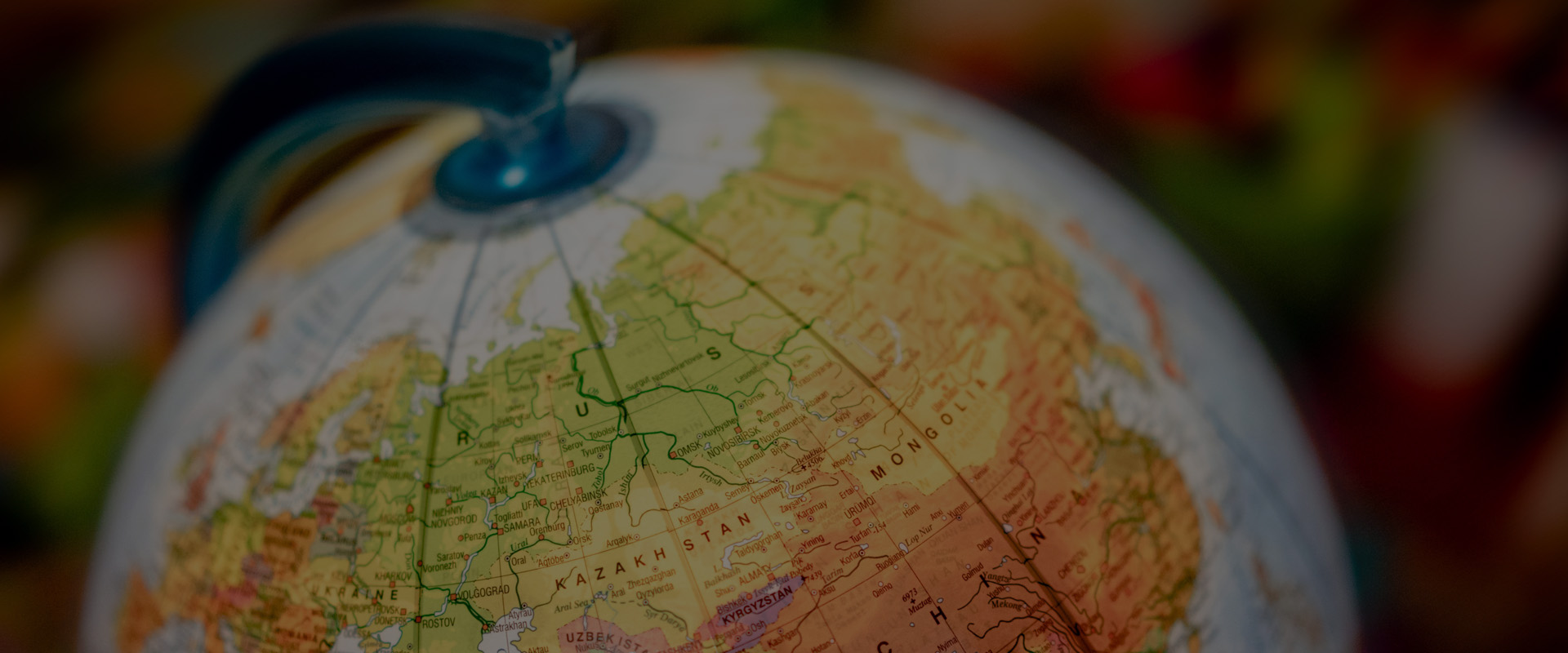
Thomas L. Friedman introduced the idea that, from a business perspective, “the world is flat.” While Christopher Columbus demonstrated that the world is round geographically, Friedman argued that modern business has transformed the world into a level playing field. Technological advancement, global connectivity, and economic integration have significantly reduced geographical and language barriers, allowing businesses to operate seamlessly across borders.
In this flattened world, organisations are no longer confined to local or national markets. Businesses move across the globe in search of customers, talent, resources, and cost advantages, while individuals increasingly migrate internationally in pursuit of better education, employment, and entrepreneurial opportunities. This phenomenon has intensified global competition and reshaped the external business environment.
Friedman identified several major forces—known as the “Ten Flatteners”—that accelerated the creation of this global level playing field. Some of the most influential include:
- The Fall of the Berlin Wall (1989): This event symbolised the end of ideological divisions and opened opportunities for collaboration between East and West, integrating previously separated economies into the global market.
- Netscape Going Public (1995): The widespread adoption of the internet and web browsers revolutionised communication and enabled global digital connectivity.
- Workflow Software: Standardised digital systems enabled machines and people across different locations to collaborate efficiently in real time.
- Open-Sourcing: Platforms such as Linux and Wikipedia demonstrated how global communities could collectively create and share knowledge and software.
- Outsourcing and Offshoring: Companies began relocating specific business functions, such as manufacturing and software development, to countries offering skilled labour at lower costs.
- Supply Chain and Insourcing: Advanced logistics and technology systems enabled businesses to manage complex global supply chains with precision.
- “Steroids”: Wireless communication, mobile devices, cloud computing, and Voice over Internet Protocol (VoIP) accelerated instant communication and global collaboration.
Interestingly, Friedman developed many of these insights during his visits to India, particularly through discussions with Nandan Nilekani and the leadership of Infosys. India emerged as a significant example of how technology and globalisation could integrate developing economies into the global business ecosystem.
The central force driving this flattening process is globalisation. Whether organisations or nations resist it or not, globalisation continues to expand rapidly. As a result, industries increasingly rely on interconnected supply chains, global talent pools, and value-added services distributed across multiple countries. Products and services are becoming increasingly commoditised as companies seek cost efficiencies through labour and resources available in emerging economies such as India and China.
Friedman viewed this transformation as one of the defining shifts in modern history, comparable to the invention of the printing press or the Industrial Revolution. However, he also recognised that globalisation creates uncertainty, disruption, and anxiety for organisations and societies alike.
International Dimension
The international business environment has become one of the strongest contributors to the flattening of the world. Countries such as India and China have emerged as major global economic powers due to their vast populations, expanding consumer markets, and abundant skilled workforce.
Today, businesses operate in a borderless marketplace where competitors, suppliers, employees, and customers may come from any part of the world. Organisations must therefore understand international trade policies, foreign market conditions, geopolitical developments, exchange-rate fluctuations, and cultural diversity to remain competitive.
Technology Dimension
Technology is the single most powerful force behind the flattening of the world. Friedman emphasised the role of workflow software and digital platforms in enabling companies to divide work across multiple locations and coordinate operations globally.
The rise of digital, mobile, personal, and virtual (DMV) technologies has empowered both organisations and individuals to participate in the global economy. The internet, cloud computing, artificial intelligence, automation, and telecommunications have transformed business operations, customer service, marketing, education, and communication.
Digitisation has virtually eliminated many traditional barriers to business operations. Artificial intelligence, in particular, is rapidly reshaping industries by improving efficiency, reducing costs, and enabling data-driven decision-making. Organisations that fail to adapt to technological change risk becoming obsolete in an increasingly competitive environment.
Socio-Cultural Dimension
Globalisation has also transformed social and cultural dynamics. Demographic patterns, consumer lifestyles, values, expectations, and purchasing behaviour have evolved significantly over the past two decades.
A new generation of digitally connected consumers—often referred to as “Generation C” (connected consumers)—has emerged. These consumers are technologically savvy, highly informed, and strongly influenced by online reviews, comparative analysis, and social media recommendations. They expect convenience, speed, customisation, and instant access to products and services.
Online shopping, digital payments, and e-commerce platforms have fundamentally changed the buying process. Customers now research, compare, and review products before making purchasing decisions. As a result, businesses must become more customer-centric, digitally responsive, and globally aware.
Forces Creating Uncertainty for Organisations Today
Modern organisations face uncertainty from several powerful external environmental forces, including:
- Rapid technological disruption and artificial intelligence
- Global economic instability and inflation
- Geopolitical conflicts and trade wars
- Climate change and sustainability pressures
- Cybersecurity threats and data privacy concerns
- Changing consumer expectations and digital behaviour
- Supply chain disruptions and logistics challenges
- Talent shortages and workforce mobility
- Government regulations and policy changes
- Global competition from emerging markets
These factors create a dynamic and unpredictable business environment that requires organisations to remain flexible, innovative, and strategically agile.
Conclusion
Globalisation 3.0, which accelerated after the year 2000, has dramatically reshaped the business world. Advances in technology, communication, transportation, and digital connectivity have made businesses and individuals increasingly borderless. Students, professionals, entrepreneurs, and organisations now operate across countries with unprecedented ease.
Companies continue to seek competitive advantage through global sourcing, cheaper labour markets, and efficient supply chains. At the same time, customers have become more informed, connected, and demanding, forcing organisations to customise products and services according to regional and cultural preferences.
In this rapidly evolving environment, managers and leaders must think globally, adapt quickly to change, and move beyond traditional comfort zones. Success in the modern business world depends on innovation, flexibility, technological adaptability, and the ability to respond effectively to the uncertainties created by the external environment.